
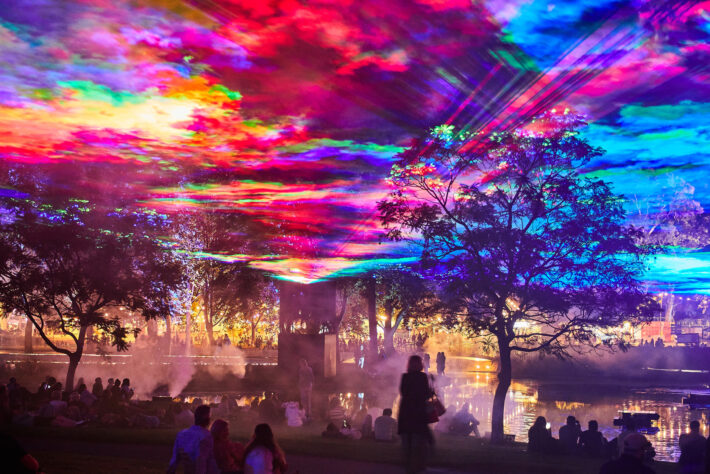
Outdoor light shows have become a crucial element of modern festivals, transforming open spaces into immersive visual environments. As audience expectations rise and technology continues to advance, event organizers are increasingly challenged to choose the most effective lighting solutions. Drone light show Indonesia will show attractions that engage audiences.
This article provides an in-depth comparison of the main types of outdoor light shows used for festivals, focusing on key aspects.
Overview of Outdoor Light Show Technologies
Outdoor light shows rely on advanced lighting technologies designed to perform reliably in open environments. While all aim to deliver striking visual experiences, each technology offers unique strengths and limitations that influence its suitability for different festival contexts.
LED Lighting Systems
LED lighting remains one of the most widely used technologies for outdoor festivals. LEDs are highly versatile and adaptable, making them suitable for a wide range of creative concepts. They offer precise color control, fast response times, and strong brightness levels that perform well even in large outdoor areas.
Projection Mapping
Projection mapping involves projecting visual content onto physical surfaces such as buildings, stages, or temporary structures. By aligning visuals precisely with architectural features, projection mapping creates the illusion of movement, depth, and transformation.
Laser Light Shows
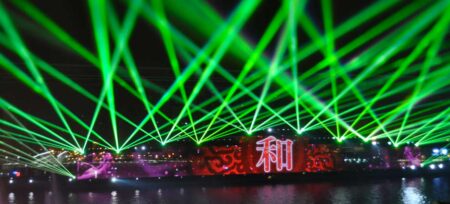
Laser shows use concentrated beams of light to create sharp patterns, animations, and atmospheric effects in the sky or across open spaces. Lasers are known for their high visibility over long distances and their ability to cut through darkness with precision.
Laser systems are often used to create dramatic visual moments, but they come with strict safety and regulatory requirements due to potential risks to eyesight and air traffic.
Drone Light Shows
Drone light shows use fleets of LED-equipped drones that fly in coordinated formations to create animated images and patterns in the night sky. This technology represents one of the most innovative developments in outdoor light entertainment.
Drone shows offer a unique blend of technology and spectacle, replacing or complementing traditional fireworks with programmable, reusable aerial displays.
Scale and Location Requirements
The scale of a festival and the characteristics of its location play a crucial role in determining which outdoor light show technology is most appropriate.
Space and Infrastructure Needs
Laser light shows require clear airspace and controlled perimeters. Their beams can travel long distances, which may be problematic in densely populated or restricted areas.
Drone light shows demand the most planning in terms of airspace, launch zones, and safety buffers. Open areas free from tall obstacles and interference are essential, particularly for large-scale formations.
Scalability
Laser shows can scale in visual intensity but are often limited by regulatory constraints. Drone light shows scale by increasing the number of drones, which enhances visual complexity but also raises technical and operational demands, an important consideration for drone light show Indonesia, where regulations and infrastructure may vary by region.
Visual Impact and Audience Experience
Visual impact is often the primary factor driving investment in outdoor light shows. Each technology creates a distinct audience experience.
Immersion and Engagement
LED lighting excels at creating immersive environments, especially when integrated with music and stage design. Dynamic color changes and movement help maintain energy and engagement throughout an event.
Laser shows deliver high-energy visuals with sharp lines and intense colors. Drone light shows provide a sense of wonder and novelty. Seeing coordinated formations moving across the sky creates a shared moment of awe, making them memorable centerpieces for festivals exploring cutting-edge technology.
Daylight vs Nighttime Performance
LED systems can function in both daylight and nighttime conditions, although their full impact is achieved after dark. Projection mapping and laser shows are highly dependent on low-light conditions. Drone light shows are almost exclusively nighttime experiences, as visibility and contrast are essential for aerial visuals.
Energy Consumption and Sustainability
Sustainability has become a critical consideration for festivals aiming to reduce environmental impact.
Energy Efficiency
LED lighting is highly energy-efficient compared to traditional lighting technologies. Its low power consumption and long lifespan make it a popular choice for environmentally conscious events.
Projection mapping typically requires powerful projectors that consume more energy, especially for large-scale displays. Cooling systems further increase energy demands.
Laser systems are relatively energy-efficient for the brightness they produce, but their supporting equipment can add to overall consumption. Drone light shows consume energy primarily through battery-powered drones.
Environmental Impact
LED and drone-based systems produce minimal waste and avoid combustion-related pollution. Projection mapping and laser shows also have low direct emissions but may require additional generators depending on venue infrastructure.
Cost and Budget Considerations
Budget constraints often determine the feasibility of different outdoor light show options.
Initial and Operational Costs
The flexibility of LED lighting costs makes it a practical choice for both small festivals and major events with substantial production budgets.
Laser shows require certified operators and safety compliance, increasing operational expenses. Drone light shows typically represent the highest initial investment. Costs include drone fleets, software, trained pilots, and regulatory compliance.
Long-Term Value
LED systems and drones provide strong long-term value due to reusability and adaptability. Projection mapping content often needs to be customized for each event, limiting reuse. Laser equipment offers durability but less creative flexibility over time.
Technical Complexity and Reliability
Technical reliability is crucial in outdoor festival environments, where weather and unexpected challenges are common.
Setup and Maintenance
Laser shows demand for strict setup protocols and real-time monitoring. Drone light shows are the most technically complex, involving software coordination, GPS accuracy, and contingency planning for weather and signal interference.
Risk Management
Weather conditions such as rain, wind, or fog can affect all light show types, but have the greatest impact on projection and drone-based systems. Backup plans and fail-safe systems are essential, particularly for large-scale drone operations.
Choosing the right outdoor light show for a festival requires balancing creativity, practicality, budget, and responsibility. Drone light show Indonesia represents the frontier of outdoor visual entertainment, offering unmatched spectacle at the cost of technical and regulatory complexity.
By carefully evaluating these factors, they can choose the most appropriate light show technology to enhance their event identity and provide an unforgettable experience for their audience.